In a world of diminishing job prospects, AI, low pay and government hostility toward the press, is studying journalism worth it? Here’s what current journalism students think.
By Sydney McGarr
The outlook for aspiring journalists is increasingly uncertain.
Layoffs ripple through major U.S. newsrooms, local papers shutter at an alarming rate, politicians sharpen their attacks on the press and AI technology threatens to make journalists obsolete.
Yet, 10,073 students graduated with journalism degrees in the U.S. in 2023, according to a report by Data USA. What keeps these graduates motivated?
In this season of graduations, here’s what college journalists from around the country had to say about their career plans and their ideas about the future of the field.
‘I didn’t go into the field for money’
Hannah Neurohr, Pennsylvania State University
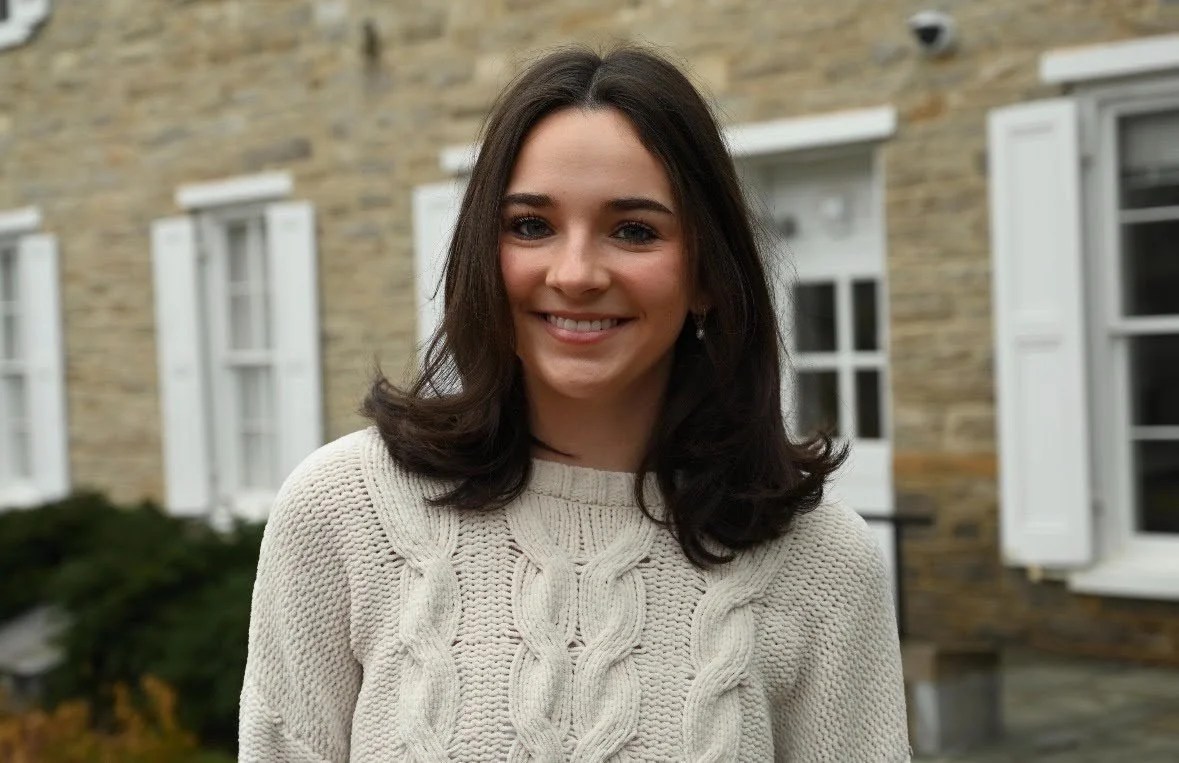
Hannah Neurohr graduated from Penn State in State College, Pennsylvania, this weekend. Her interest in journalism started with watching the news with her dad during COVID-19.
“I was really frustrated with how many inconsistencies there were in the reporting on different outlets and different sources,” she said. “I decided that I wanted to go into journalism to try to get the facts to the people as quick as I could in the most organized way.”
Neurohr was heavily involved in the journalism community on her campus and starts a job in Bismarck, North Dakota, in June as a political reporter/multimedia journalist at KFYR.
Though she has not considered switching fields completely, Neurohr said she has “considered jumping around from behind the camera to in front of it.”
The median annual wage for news analysts, reporters and journalists was $60,280 in May 2024, according to the U.S. Bureau of Labor Statistics. But employment websites like Indeed and Glassdoor place the estimated entry-level journalism wage significantly lower, at an average annual salary of $47,000-$55,000.
In many cases, the salaries being offered for entry level jobs are less than the living wage. Take, for example, Washington, D.C., where the average base salary for a journalist is $42,465 per year, according to Indeed. The estimated cost of living for one adult without children in Washington, D.C., before taxes? $60,347, according to the MIT living wage calculator.
But these statistics aren’t deterring Neurohr, who reflected a common sentiment among the student journalists: “I didn’t go into the field for money. I’m more so in it for the duty of serving my community and helping people get factual information.”
‘I want a career I will love and cherish’
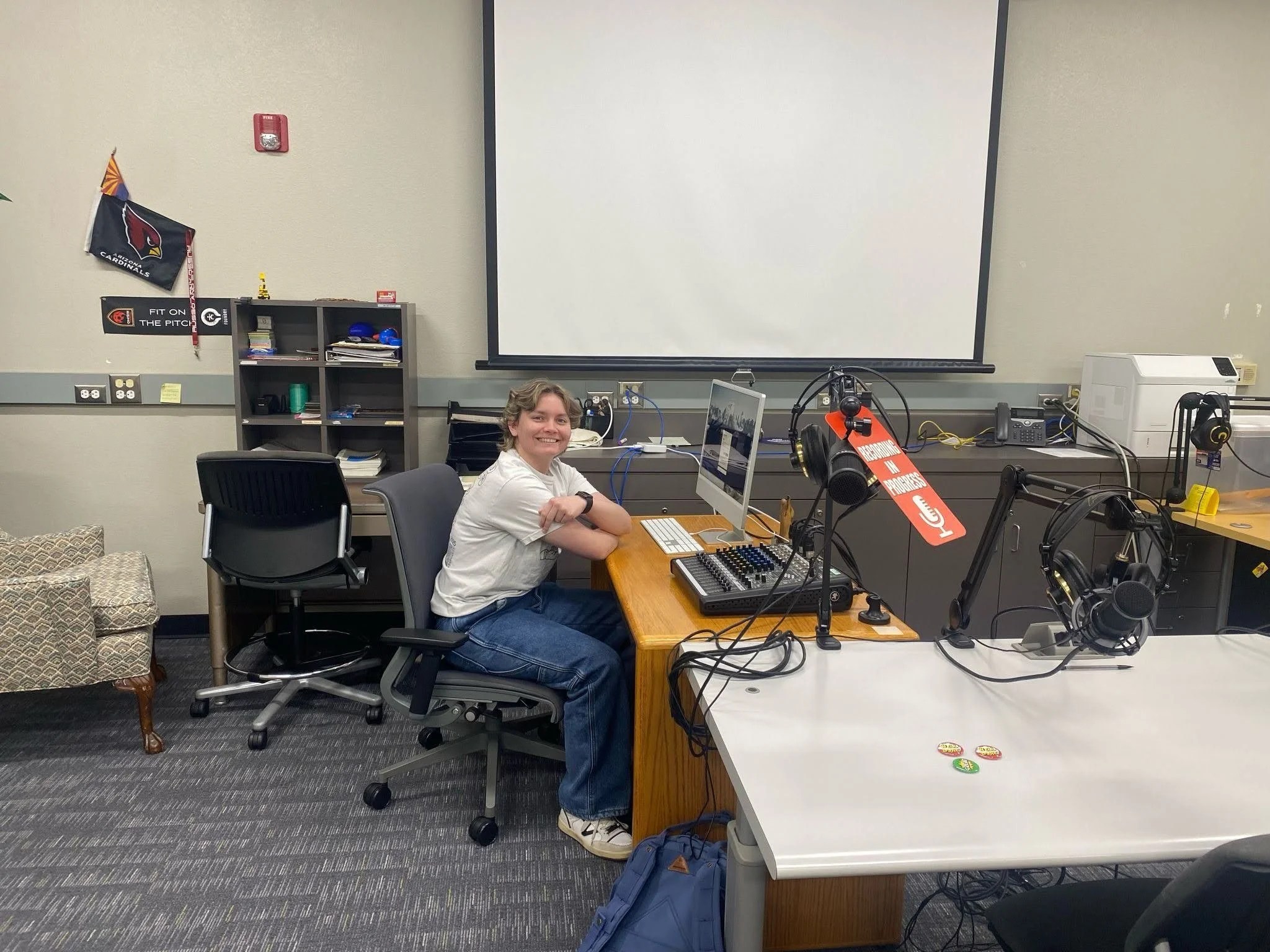
Madison Lamb, Scottsdale Community College
Madison Lamb intends to graduate in Spring 2028 from Scottsdale Community College in Scottsdale, Arizona. She will pursue a career in sports journalism. She is a reporter for the school paper, the Northeast Valley News.
Lamb’s commitment to sports journalism is personal.
“I want to prove to my family that this is something I want to do and can do. I want a career I will love and cherish until I can retire,” she said.
It won’t be an easy ride. One of her concerns about the future? AI in the newsroom.
As large language models of generative AI advance at an unprecedented rate, newsrooms are left asking: Is AI a tool that allows us to reduce grunt work and focus on editorial decisions and larger questions? Or is it soon to take over the whole newsroom and leave us all unemployed?
“I think AI could be the death of journalism,” she said. “I don’t see why AI isn’t a threat to honest, hard-hitting journalism.”
Lamb is aware of the shrinking job market and she isn’t naive about her future employment prospects, especially as a woman.
“In all honesty, I am not very confident about getting a job, especially in sports journalism because I feel it’s a high-demand, male-dominated field,” she said.
Her concerns about gender inequity are factually based.
In March, NPR reported that the gender pay gap in the U.S. has widened for the second year in a row. According to the Pew Research Center, women made 85 cents for every one dollar a man makes in the U.S. in 2024. Journalists are no exception.
A significant contributor to the pay gap in the world of journalism is the smaller presence of women in senior leadership positions. In 2024, Reuters found that only 24% of top editors across major online and offline news outlets were women.
Despite all of this, Lamb, like many other young female journalists, says she’s ready to give her dream career her “best shot.”
‘Democracy needs reporters’
Veronica Bianco, Colorado College
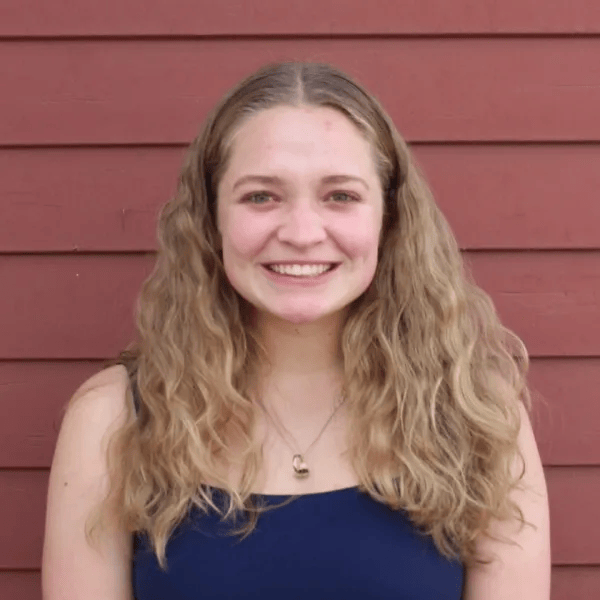
Veronica Bianco is a third-year student at Colorado College (Colorado Springs, Colorado) studying political science and journalism. She is a co-editor-in-chief of Colorado College’s Outdoor Journal. Bianco is interested in political, investigative and aviation journalism.
With regards to her job prospects, Bianco says she is optimistic.
“I feel relatively confident,” she said. “I’m lucky to be somewhat well-connected in the journalism world, and if I’ve learned anything from the internships I have, it’s that networking matters.”
For Bianco, journalism runs in the family — her father worked for both local and national news outlets, so she grew up knowing the profession wasn’t going to make her rich.
“The fact that my dad has made it a lifelong career gives me hope and confidence,” she said.
Bianco said she has never considered pursuing another job, saying she is “all set” on a career in journalism. One thing that inspires her to keep going? Current government rhetoric surrounding the press.
Press freedom groups throughout the country have publicly condemned Trump’s hostility toward journalists, claiming his insulting rhetoric, often targeted at women, has contributed to a broader decline of press freedoms in the United States by creating an environment of intimidation.
The attacks against press freedoms aren’t just verbal. In late March, a U.S. judge ruled against press restrictions proposed by the Pentagon, which sought to limit what journalists are able to report about the U.S. military. In October 2025, several U.S. news outlets refused to sign an agreement to a defense department policy requiring journalists pledge not to get information without government approval.
“The federal government,” Bianco said, “degrades journalists and does what it can to promote inaccurate, unverified ‘reporting’ by right-wing influencers instead of respecting reporters who are trying to write the news accurately.”
Her resolve to work in journalism is only strengthened by these concerns.
“Democracy needs reporters,” she said. “If we turn away from the profession, the federal government wins and democracy erodes.”
‘Salary won’t matter if the job itself doesn’t exist’
Jasmine Fan, Duke University
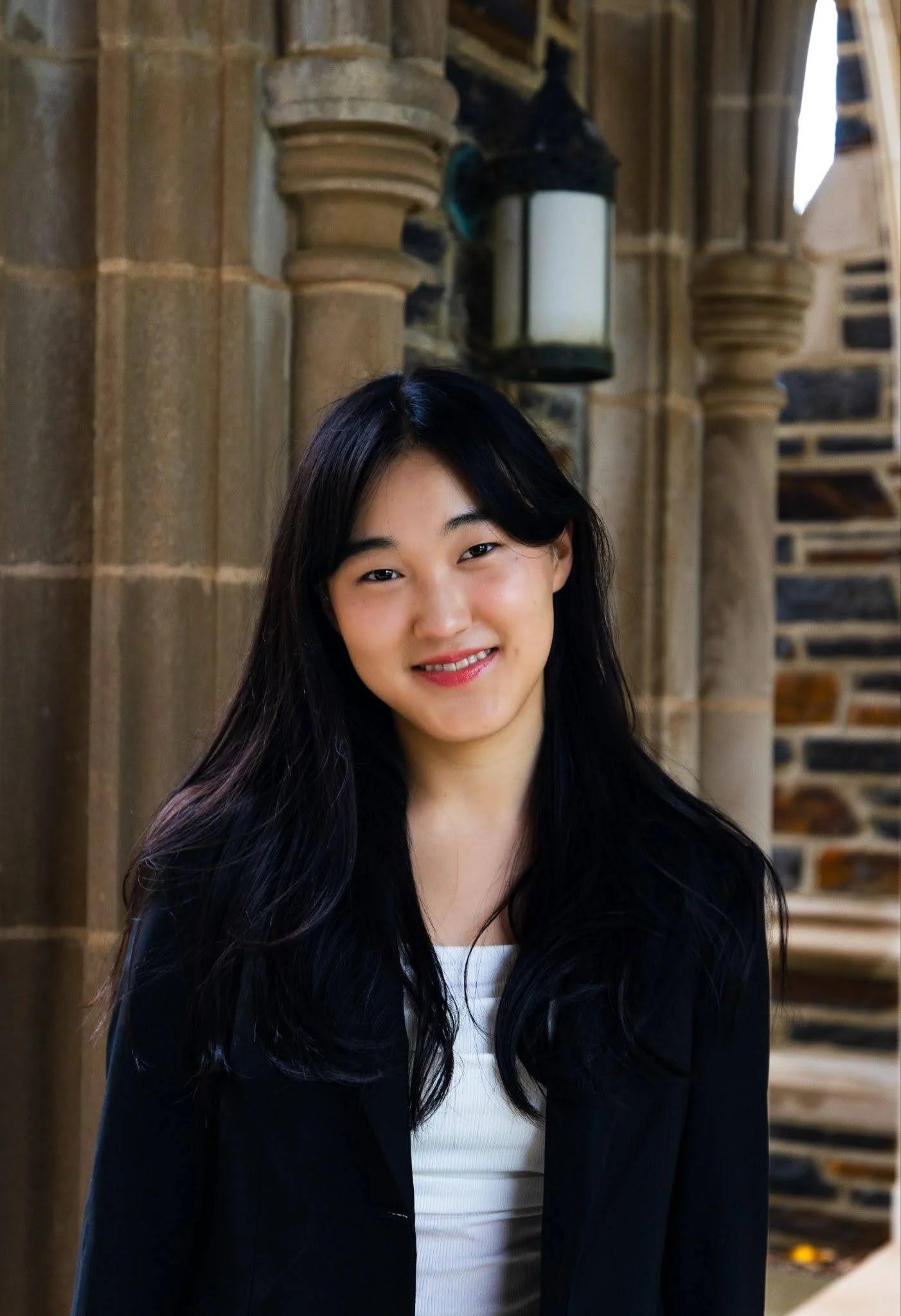
Jasmine Fan will graduate in May 2027 from Duke in Durham, North Carolina. She is associate opinion editor at The Duke Chronicle, where she mostly writes op-eds.
Fan is considering attending law school after she graduates. Though she enjoys journalism, she is not immediately interested in making it her career.
She worries that with the rise of artificial intelligence, journalists may become obsolete.
“I do think AI poses a threat to many entry-level jobs, but it can also enhance productivity in more senior roles,” she said. “Opinion writing is where AI falls short. In my case, it doesn’t understand the lived experience of a college student at Duke or a young person in North Carolina.”
In terms of her decision to not immediately look for a journalism job, Fan said salary is an important influencing factor, but her primary concern is “the actual stability and availability of journalism jobs, both now and in the future.”
Mass layoffs have impacted major U.S. newsrooms, with more than 3,000 journalism job cuts tracked in the U.S. and U.K. in 2025, according to the Press Gazette. The Washington Post made headlines after laying off more than 300 journalists in February 2026.
It’s not just large papers that are shrinking. Smaller, local papers are shutting their doors at record rates, leaving small towns once reliant on community media living in news deserts.
Some outlets have suggested an increase in collaborative journalism, in which media organizations work together to improve local coverage. Other initiatives have pushed for government incentives to help Americans pay for local news.
Fan isn’t naive about the potential that these initiatives could fail.
“Salary won’t matter if the job itself doesn’t exist,” Fan said.
‘That’s where I’ve gotten most of my joy from’
Lucinda Toft, Occidental College
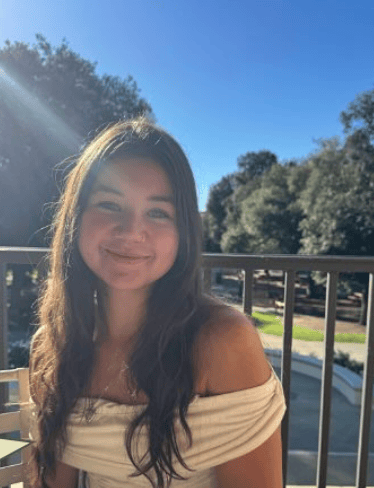
Lucinda Toft intends to graduate from Occidental College in Los Angeles in May 2027. She writes for the Occidental newspaper and is interested in “all kinds of journalism,” from politics to the arts.
Toft joined the school newspaper as a way to improve her writing and interviewing skills. She wanted to use the job as a way to become involved with the broader neighborhood community.
In terms of a future career in the field, Toft says that’s what she “feels the most called to.” Like the rest of the journalists, she’s aware that it might not be easy.
“Local journalism is on the decline and federal funding has been stripped from journalism,” she said. “So that’s really concerning for me.”
Toft plans to work this summer with The LA Local as a Documenters intern.
“I’m excited about the opportunity to just talk to people in the community and create stories for them,” she said. “That’s where I’ve gotten most of my joy from working at the paper.”
Contrary to some of her peers, she isn’t completely set on a journalism career, even though she feels called to it. Like Fan, she’s considering law school.
“Other jobs definitely appeal more because they are higher paying, look more secure and are just more stable,” she said. “For me I think it’s more a concern of, how will these institutions be funded? Is it secure to continue?”
‘The hope for a brighter media future has always been within me’
Sydney McGarr, Colorado College
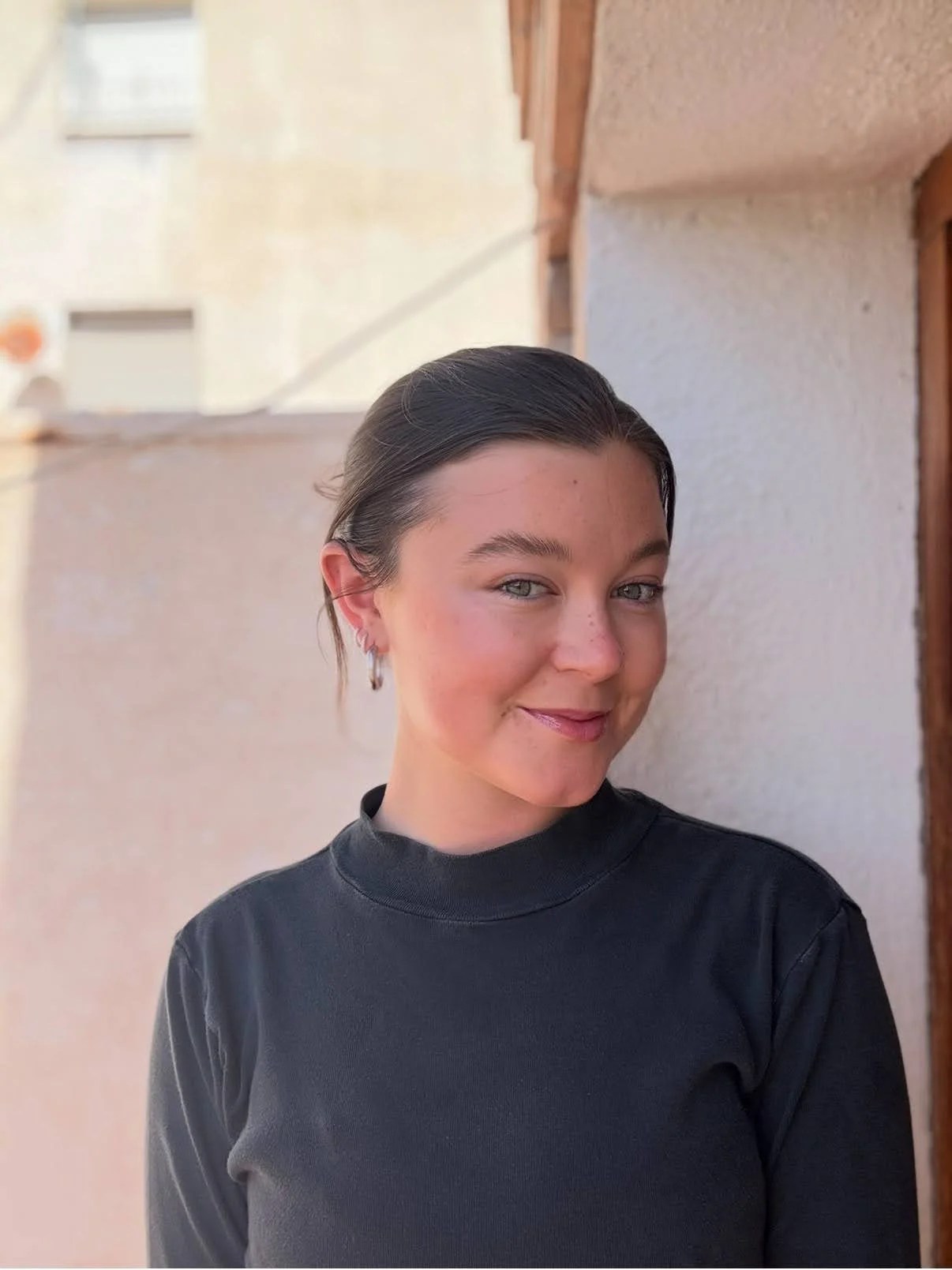
When I began writing this story, I was asked whether I believed students would feel optimistic or pessimistic about the future of journalism. My instinct was pessimistic. I expected to come away believing the profession was in steep decline, with little hope for recovery.
Perhaps, looking back, this was a reflection of my own worst fears: that journalism, the field I fell in love with at 18 years old, won’t stick around long enough for me to have a career in it.
After writing this article and hearing from so many different voices of up and coming journalists, I’ve realized that the hope for a brighter media future has always been within me. That hope is what drives me to keep going.
I’m not naive about the huge challenges ahead. Journalism is rapidly changing and much of the future remains extremely uncertain. I don’t know what will happen next. But I do know that throughout my early years in this career, I haven’t met a single journalist who isn’t open-minded, brilliant and most of all, courageous.
The same collective courage that draws journalists to the job in the first place will be the thing that saves the profession. We will do the work because we must do the work. We will tell stories because we are hardwired to tell stories.
Though statistics about low pay and closing newsrooms do still frighten me sometimes, nothing outweighs my love for seeking out the next story. The voices in this article just reinforced what I already knew internally: the next generation is prepared for this fight. And I, like many of my peers, am excited to get to be a part of what happens next.
Correction: 10,073 students graduated with journalism degrees in the U.S. in 2023, according to a report by Data USA, not in 2025 as originally published.

Leave a comment