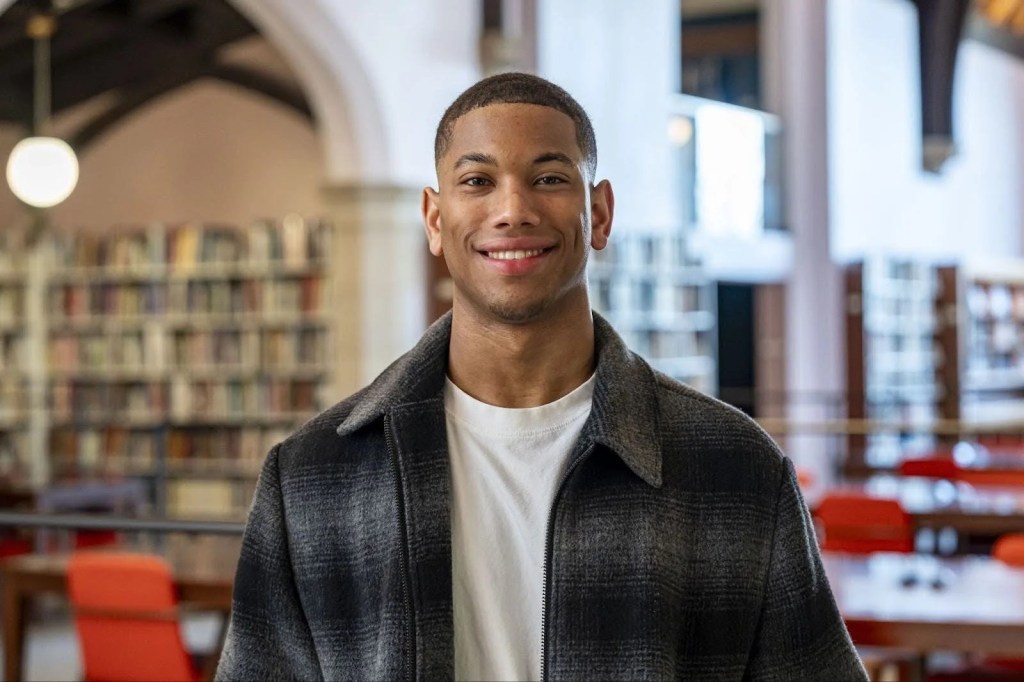
The Philadelphia Student Press Association connects collegiate journalists from campuses all over the city
I started to notice the pattern during my time at The Clerk, Haverford College’s independent student newspaper.
Conversations with my fellow student journalists had less to do with writing and more with how long the newsroom at our small liberal arts college just outside Philadelphia could realistically sustain itself.
We talked about finances as often as we did about story ideas, and about continuity as often as we did about deadlines.
During one of those conversations, a university administrator asked me if there was a regional network of student newspapers that Haverford could turn to for support or collaboration.
There wasn’t. So I decided to create one.
In March 2025, the idea that would become the Philadelphia Student Press Association began taking shape. I reached out to 10 student newsrooms across the region to gauge interest in forming a Philadelphia-wide coalition of student-run publications to share resources, collaborate on reporting and build stronger connections with professional media organizations.
Six schools responded with immediate interest. Their replies were less cautious than I expected. Most asked the same thing: How quickly could we begin?
Six weeks later, we had our founding board meeting over Zoom. I joined from my car in a wooded area outside Stamford, Connecticut, where I was spending the summer working as an intern at NBC Sports and searching for enough cell service to stay connected.
Drafting bylaws, establishing shared pillars and electing leadership felt like taking what had started as conversations between student journalists and turning it into something we could actually sustain.
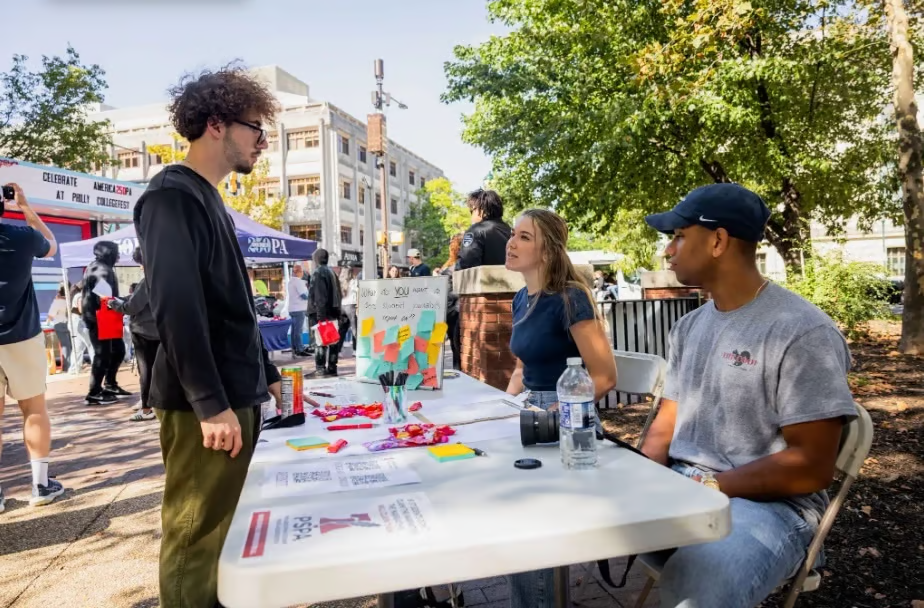
Today, the nonprofit Philadelphia Student Press Association includes 12 member newsrooms across the region: Penn, Temple, Drexel, Villanova, Haverford, Bryn Mawr, Swarthmore, Rutgers-Camden, Rowan, La Salle, Saint Joseph’s and Eastern.
Getting to this point has meant long hours and several thousand dollars of my own savings from my summer internship, but the response from student journalists across the region has made the work feel worthwhile.
I’ve spent the past few years watching student journalists try to hold things together without the resources the work really requires. A national study from the Brechner Freedom of Information Project at the University of Florida, “Freedom in College Newsrooms: An Assessment of Financial and Editorial Independence in College Newsrooms,” found that only a little more than half of small colleges receive even a dollar in funding for student media. I remember reading that number and thinking about how many conversations I’d had with editors who already treated that statistic as normal. They weren’t shocked by it because they were living it. Student journalism continues at scale across the country, with thousands of stories each year — yet much of that work happens without the infrastructure professional newsrooms rely on.
That disconnect was particularly visible across Philadelphia’s campuses.
What clicked for me was not just how close these campuses were to each other, but how little relationship existed between the student journalists inside each of them. The Daily Pennsylvanian enjoys a close relationship with the school’s Annenberg School for Communication, one of the most well-resourced journalism departments in the country. Temple News draws from the Klein College of Media and Communication, another pipeline that has long fed professional journalism throughout the region. On those campuses, student reporters are surrounded by faculty, alumni networks and professional pathways that make entering the industry feel realistic.
Then there are places like Haverford, my campus, where strong student reporting existed, but with far fewer of those built-in connections. Editors and writers still produced meaningful journalism, but much of the work depended on students figuring things out on their own and building professional pathways where few had existed before.
And beyond us were universities like Lincoln and Widener, campuses without active or consistent student newspapers, where the absence of funding, advisers and sustained interest meant that student journalism simply never had the chance to take root.
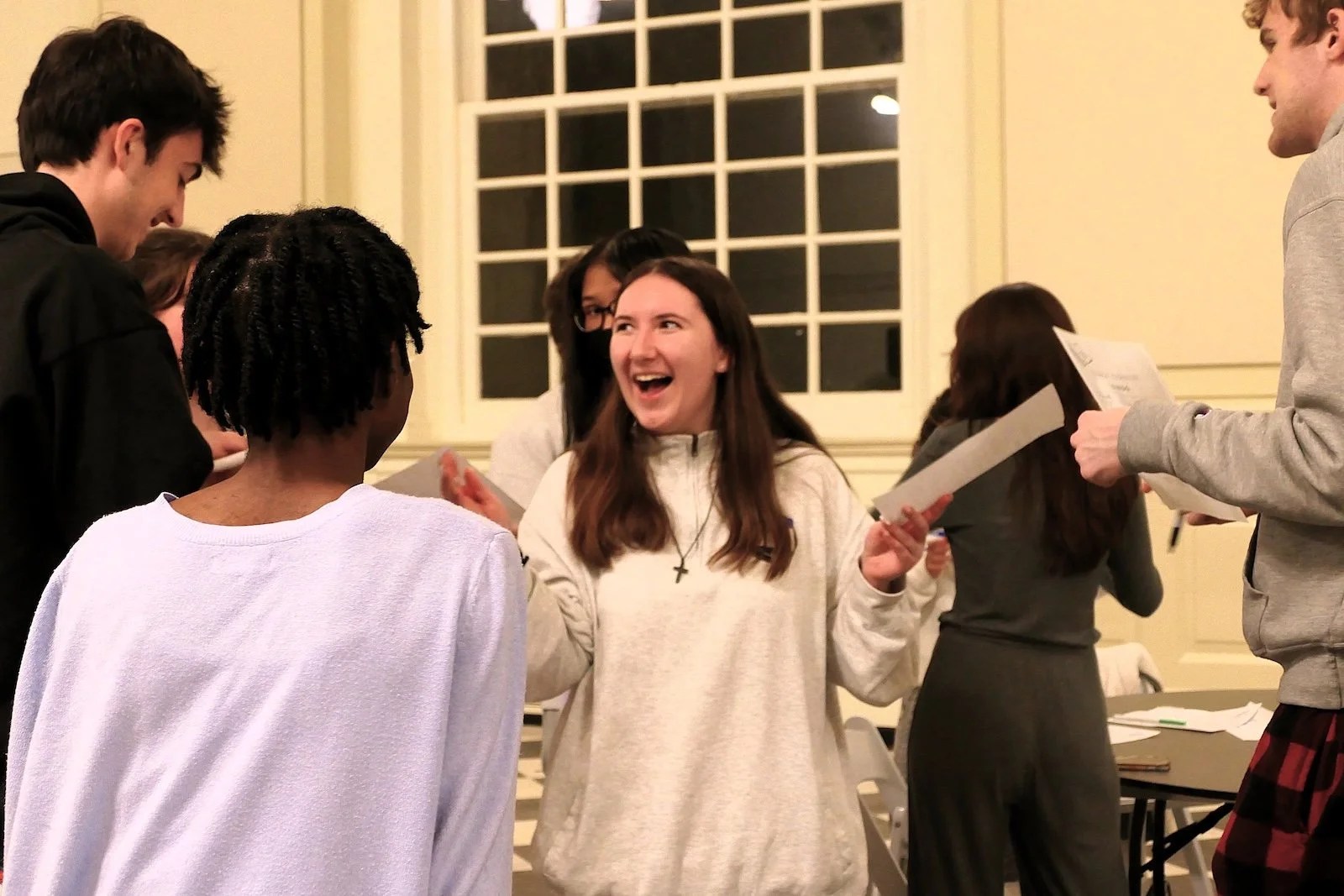
PSPA has grown into a living network that connects student journalists across greater Philadelphia and southern New Jersey. We organize educational workshops, collaborative reporting initiatives and a need-based funding pool for our member newsrooms when their universities can’t or won’t provide support. We connect student reporters with professional journalists and media organizations throughout the region, creating access points that previously depended on personal networks or chance introductions.
The distinction between the PSPA and many traditional collegiate press associations lies in their structure. Rather than organizing around periodic events or conferences, the PSPA was designed to continuously support student journalism between events. The PSPA is led by an advisory board and an executive committee of student editors from each member newsroom who meet regularly to coordinate events, reporting opportunities and partnerships.
Much of the work centers on creating opportunities that student newsrooms could rarely access on their own. In November, the PSPA partnered with the Philadelphia Journalism Collaborative to host a workshop focused on reporting with communities rather than simply about them.
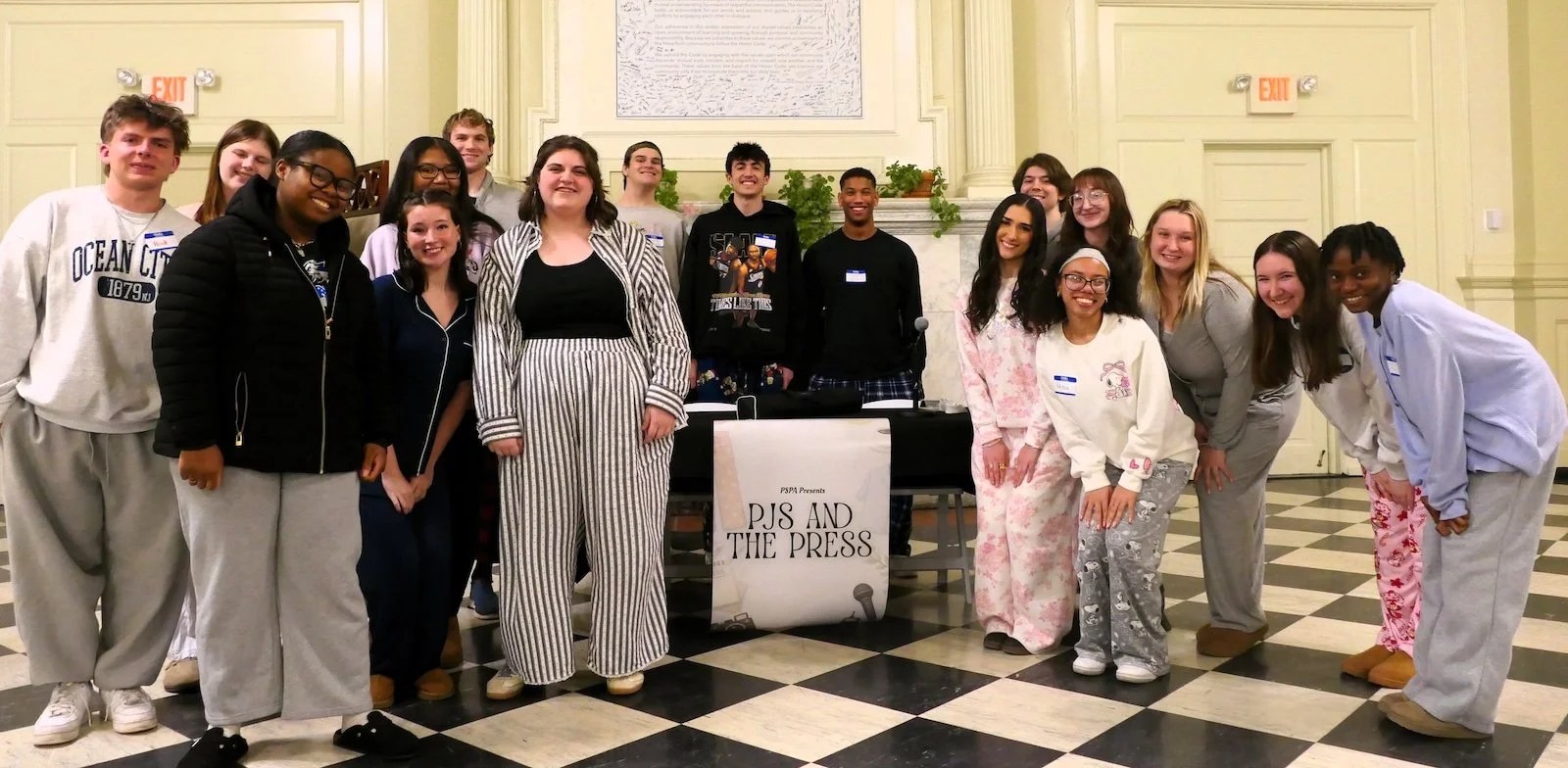
The organization has also hosted informal gatherings designed to connect student journalists with professionals working across the city’s media landscape, including a recent “PJs and the Press” event that brought students together with working reporters and editors.
The association’s Inaugural Student Journalism Summit is scheduled for later this year.
Cross-campus reporting has also become a central part of the collaboration. Student reporters from Eastern University and La Salle recently worked together to cover the Philadelphia Sports Writers Association Banquet, interviewing athletes and sports executives from across the city.
Each semester, the organization reviews its support funds and opens a proposal process through which student newsrooms can request assistance for equipment, reporting expenses or other operational needs.
While building the PSPA, I got a postcard from Robert Pazecca, who is serving a life sentence without parole at SCI Phoenix. He read about the PSPA in the Philadelphia Inquirer and wrote to me that student journalism still felt human to him, less constrained by capitalistic pressures and more grounded in responsibility to others.
One line stayed with me: “Whether you choose to accept or reject your obligation to help yourself or others, you will fulfill your obligation to help yourself sooner than later.”
I have thought about obligation in that sense — as a responsibility to the communities that rely on information to function. Student journalists often work without guarantees of financial stability or professional certainty, yet they continue because they feel accountable to something larger than personal advancement. The PSPA exists to support that instinct.
After I graduate and move to Los Angeles to pursue my master’s degree at the University of Southern California, the PSPA will continue through an electoral succession process that appoints new student leadership. Advisory board members and executive committee representatives will carry institutional knowledge forward. At the same time, I’ve begun developing a broader student press association model so regions across the country can adapt this framework to their own needs.
Without regional structures that connect mentorship, resources and opportunity, student reporters will continue to operate in isolation, and the profession will continue to lose potential voices before they are fully formed.
The future of journalism is not in the hands of professionals waiting to begin. It is already being built in campus newsrooms across the country — often quietly and without support, sustained by students who believe the sacredness of journalism is worth preserving, even when the systems around them feel unsupportive.
The PSPA is simply one attempt to ensure that those students do not have to build alone.
Donate to the Philadelphia Student Press Association.
Jackson Juzang is a media entrepreneur, producer, journalist and Haverford College student. He founded PBJ Productions, a Pittsburgh-based multimedia company, and serves as the founder and executive director of the Philadelphia Student Press Association. Juzang’s experience includes working for NBC Sports and the TGR Foundation.PreviousOne student creator. 12,000 newsletter subscribers. Zero competition.NextDon Lemon is ready to stand up for press freedoms — and he has some advice

Leave a comment